
野菜宅配.jpでは読者の食生活が豊かになるよう、野菜宅配と宅食のおすすめのサービスについて実際の口コミを交えて紹介を行っています。
宅食・食材宅配なら忙しい現代人のライフスタイルに合わせて選べるので、あなたにピッタリなサービスが必ず見つかります。
当ページのリンクには広告が含まれています。
野菜宅配の口コミはこちら!
宅食・冷凍弁当の口コミはこちら!
ナッシュの情報はこちら!
食材宅配・生協の口コミはこちら!
新着記事一覧
-
 ナッシュはまずい・高いという意見は本当?人気のないメニューなどを中心に紹介
 -
 ベースブレッドはまずい?アレンジでおいしくなる?口コミや評判からまずいといわれる理由と真相を解説!
 -
 ベースブレッドの口コミ・評判は? ダイエットに効果的な理由は?太るって本当?
 -
 まごころケア食のお試し内容は? 2回目以降も利用可能?お試し後に解約できる?
 -
 ナッシュで痩せた?ダイエットに向いている理由とおすすめメニューも紹介!
 -
 ナッシュをやめた理由は?料金や注文プラン変更はできる?退会方法なども紹介
 -
 ナッシュが冷凍庫に入らない場合の対処法は? 一人暮らし用のサイズでも収納できる?
 -
 食宅便の口コミ・評判|本当にまずいという口コミはある?一人暮らしにおすすめ?
 -
 Dr.つるかめキッチンの口コミ・評判は?まずいって本当?お試しや添加物についても解説!
 -
 ライザップサポートミールの口コミ・評判は?カロリーは?効果的な食べ方も解説!
 -
 ライフミールの口コミ・評判は? 冷凍庫がレンタルできる?ナッシュとの違いは?
 -
 ナッシュより安い宅食サービスまとめ 値段以上にナッシュが優れている点も紹介!
当サイトおすすめ野菜宅配はこちら!
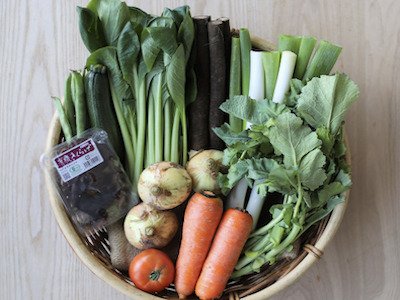

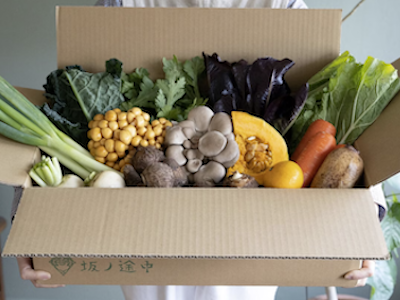

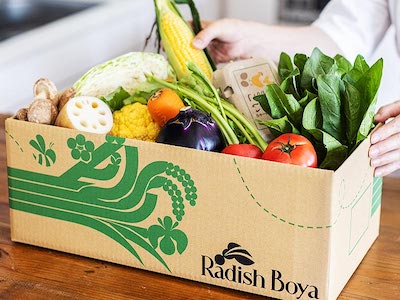
以下の記事でおすすめ野菜宅配サービスランキングを紹介しているので、どんな野菜宅配サービスがあるのか知りたい方は参考にしてください。
当サイトおすすめ宅食サービスはこちら!
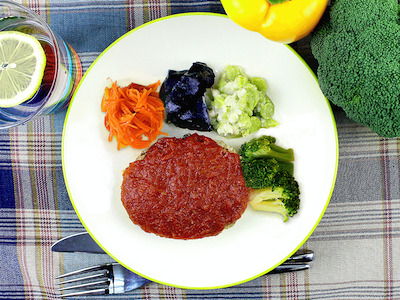


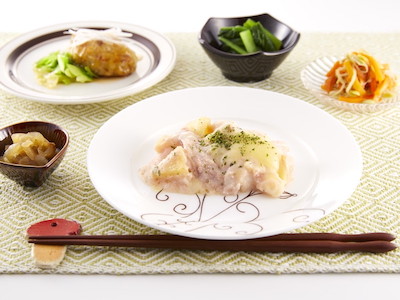

以下の記事でおすすめ宅食サービスランキングを紹介しているので、どんな宅食サービスがあるのか知りたい方は参考にしてください。
野菜宅配サービスを利用した筆者の感想を紹介!食生活に変化はあった?
- 20代後半・男性
- 妻と二人暮らし
- 自炊8割・外食2割で食へのこだわりが強い
- 肉をメインに食べる生活を過ごし、日頃野菜不足を感じている
当サイトの管理人は週5日ほど自炊を行っていますが、肉をメインに食べてしまっており野菜不足を感じていました。
今回は実際に野菜宅配サービス(大地を守る会)を利用してみて、食生活に変化が起こるのかを検証しました。
- 利用前より野菜の摂取量が2倍以上になり、野菜摂取への意識が高まった
- 野菜の本来の美味しさを感じられた
- 生産者の想いをチェックして、野菜を大切に食べようという意識が生まれた
- 1ヶ月で体重が1kgほど減った
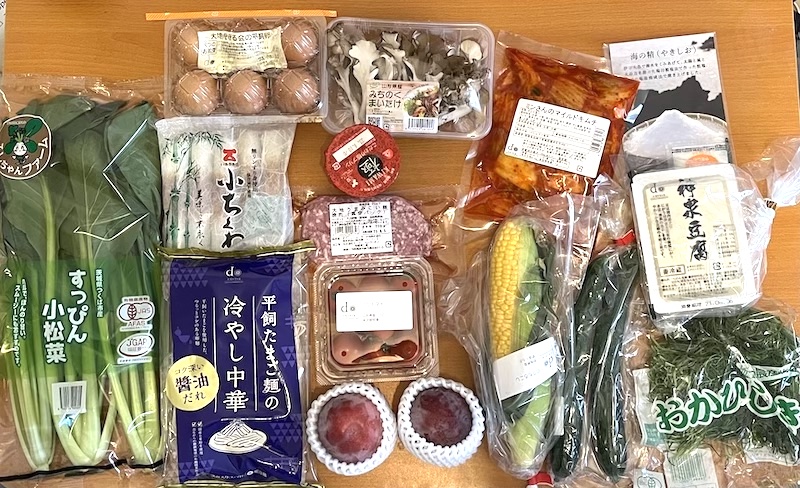
今回注文した大地を守る会のお試しでは画像の通り豊富な野菜が届きました。
スーパーに行く時間や労力をかけずに安全な野菜を摂取できる点は、非常に便利だと感じました。
さらに農薬や除草剤などを極力使用していないため、スーパーの野菜と比較して安全・安心な野菜を楽しめます。
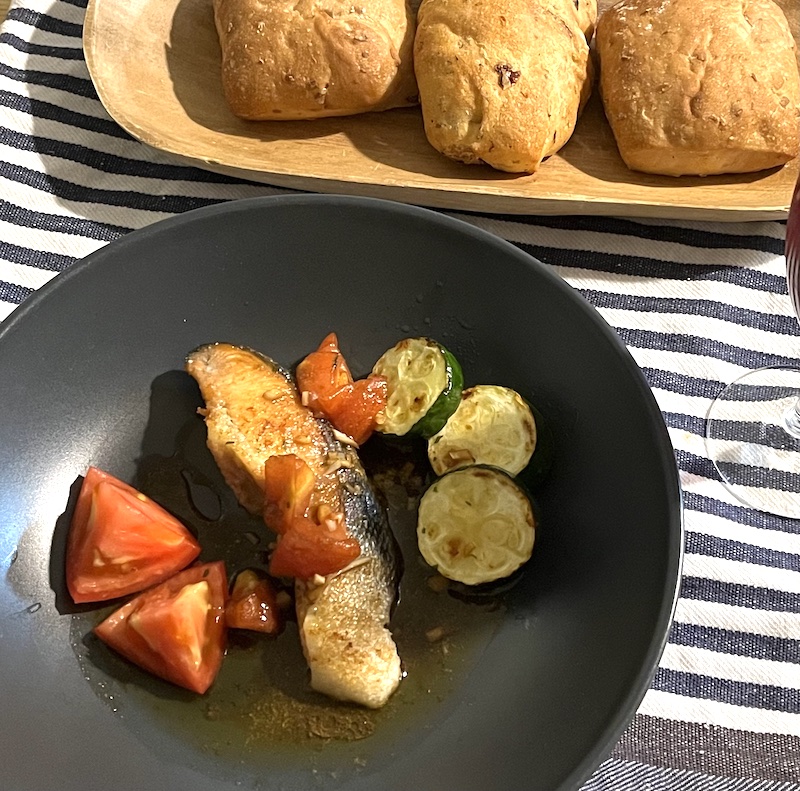
実際に大地を守る会で届いた食材だけを使って、鮭のムニエルを作ってみました!
お店の料理を意識して少し凝ったように見えますが、レシピサイトを見て作った簡単なレシピです。
食べてみたところ大地を守る会の野菜は鮮度が非常に高く、味の濃厚さをしっかりと感じられました。
これまで野菜をそこまで美味しいと思えず肉ばかり食べていた筆者ですが、これからは野菜も主役として食べていきたいと思いました。
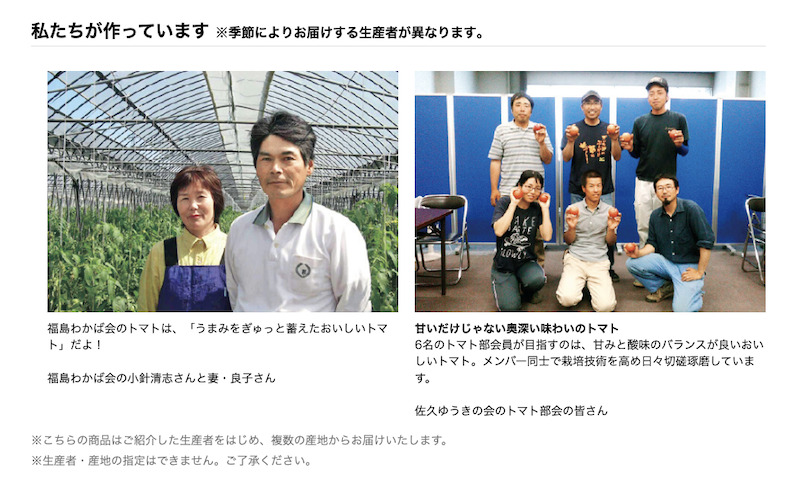
ほとんどの野菜宅配サービスは生産者の情報を公開し、生産者の思いやストーリーを感じられるようになっています。
生産者の顔を想像しながら野菜を食べてみると、これまでより大切に野菜を食べよう・もっといろんな野菜の美味しさを知りたいという思いが生まれてきました。
野菜宅配サービス(大地を守る会)を利用してから、普段の食生活でも積極的に野菜を取り入れたメニューを作るようになりました。
- 夕食に副菜として少し野菜を食べる程度
- 1日の野菜の目標摂取量350gには到底たどり着かない
- 昼食、夕食で野菜をメインに摂る生活に変化
- 野菜の目標摂取量350gに到達する日があらわれてきた
- 体重が1ヶ月で1kgほど減った
これまで1日の野菜の目標摂取量350gには到底足りませんでしたが、日によっては350gを超える日があらわれるようになりました。
さらに肉中心の食事から野菜中心の食事に変えたからなのか、体重が1ヶ月で1kgほど減った点も嬉しかったです。
まだ毎日350gを超えるレベルまでは達していないため、かさを減らすなど調理方法を工夫しながら目標に届くよう摂取を続けていきたいです。
今回紹介した大地を守る会では現在半額以下で購入できるお試しを提供しているため、気になる方はぜひ以下のボタンからチェックしてみてください。